
Invisible partners: microorganisms that help agave survive in the desert
Keywords:
Agave, bacteria, symbiosisAbstract
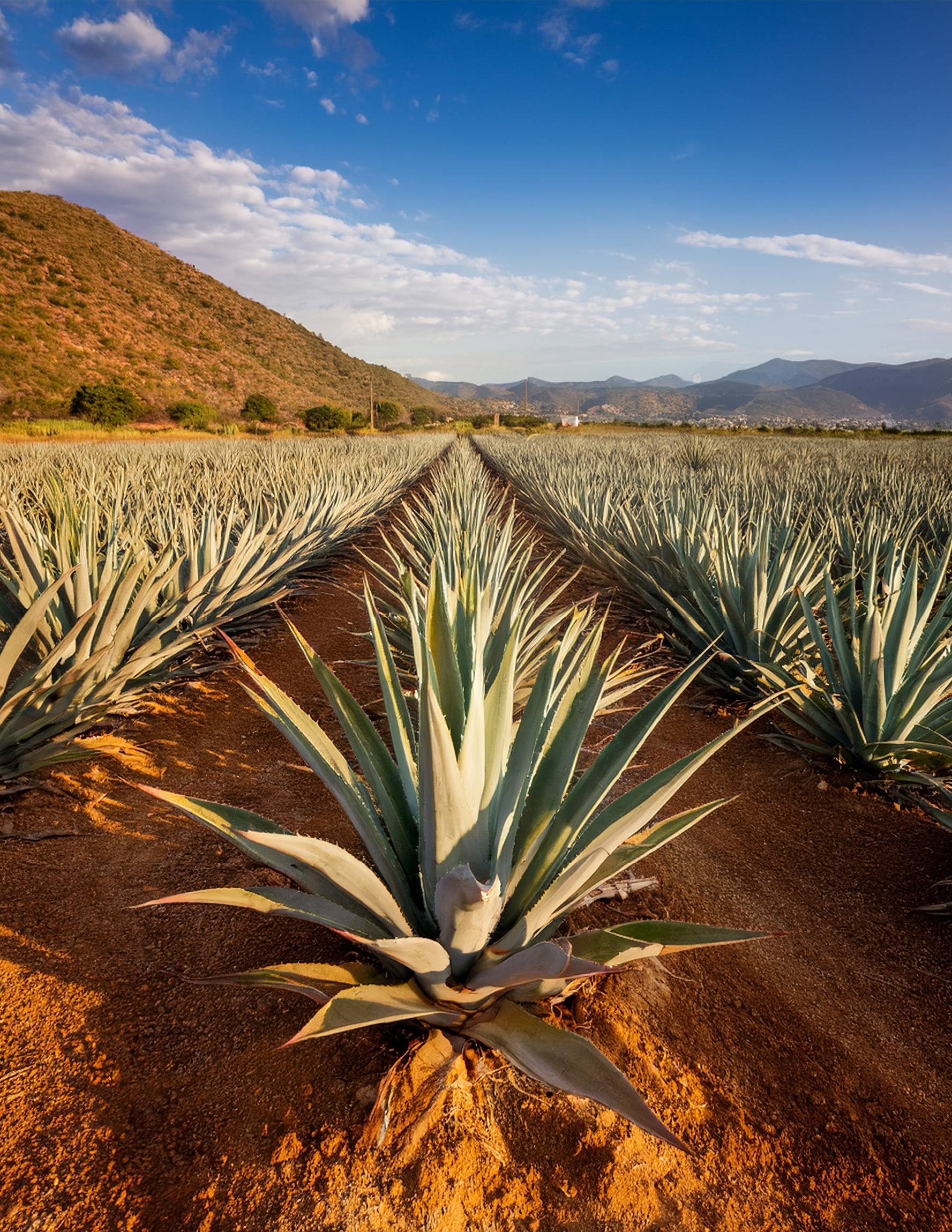
The agave is an emblematic plant of Mexico that survives in arid environments thanks to physiological adaptations aimed at saving water, modifications in its photosynthetic metabolism, as well as the presence of endophytic microbial communities. These microorganisms help the plant tolerate drought, protect it against pathogens, and obtain essential nutrients. They also produce compounds that promote plant growth and defense. Omics sciences have made it possible to uncover this ecosystem and understand its importance for plant health. Studying these interactions opens new opportunities to develop sustainable agriculture strategies, improve crop resilience, and reduce the use of fertilizers and pesticides.
References
Robles-Arias, M. & Curz-Guerreo A. (2023). Agave: importancia y aplicaciones en México. CienciAcierta, 19(76), 264-288.
García-Mendoza, A. J., Cházaro-Basañes, M. J., Nieto Sotelo, J., Sánchez-Teyer, L. F., Tapia-Campos, E., Gómez-Leyva, J. F., Tamayo-Ordóñez, M., ... Gutiérrez-Mora, A. (2017). Agave. En Panorama del aprovechamiento de los agaves en México (pp. 19–69). AGARED. ISBN 978-607-97548-5-3.
Aguado-Santacruz, G.A., Aguado-Rodríguez, D.L., Moreno-Gómez, B., Arroyo-Gonzáles, D., Centeno-Jamaica, D., Aguirre-Mancilla, C. & García-Moys, E. (2022). Endomicrobiota bacteriana de agave pulquero (Agave salmiana). I. Aislamiento, frecuencia e identificación molecular. Revista Fitotecnia Mexicana, 45, 243-250. https://doi.org/10.35196/rfm.2022.2.243
Alameri, F., Tarique, M., Osaili, T., Obaid, R., Abdalla, A., Masad, R., A. Al-Sbiei, M. Fernandez-Cabezudo, S.Q. Liu, B. Al-Ramadi & M. Ayyash. (2022). Lactic acid bacteria isolated from fresh vegetable products: Potential probiotic and postbiotic characteristics including immunomodulatory effects. Microorganisms, 10, 389. https://doi.org/10.3390/microorganisms10020389
Slama, H. B., Cherif-Silini, H., Chenari Bouket, A., Qader, M., Silini, A., Yahiaoui, B., ... & Belbahri, L. (2019). Screening for Fusarium antagonistic bacteria from contrasting niches designated the endophyte Bacillus halotolerans as plant warden against Fusarium. Frontiers in microbiology, 9, 3236. https://doi.org/10.3389/fmicb.2018.03236
del Rosario, M. H. M., Abel, L. B. J., Karen, S. F. M., Adriana, C. O. & Jabín, B. B. J. (2025). Arbuscular mycorrhizal fungi improve the growth, nutrient uptake and survival of micropropagated agave (Agave marmorata Roezl) plantlets during acclimatization. Journal of Arid Environments, 228, 105330. https://doi.org/10.1016/j.jaridenv.2025.105330
Martha-Lucero, N., Viniegra-González, G., González-Olivares, L., & Cruz-Guerrero, A. (2023). Biofilm formation by agave epiphytic lactic acid bacteria fed with agave fructans. World Journal of Microbiology and Biotechnology, 39(11), 299. https://doi.org/10.1007/s11274-023-03749-3
Downloads
Published
How to Cite
Issue
Section
License
Copyright (c) 2026 Revista de divulgación científica iBIO

This work is licensed under a Creative Commons Attribution-NonCommercial-NoDerivatives 4.0 International License.
Self-archiving or deposit of the works in their post-publication version (editorial version) is permitted in any personal, institutional or thematic repository, social or scientific networks. The above applies from the moment of publication of the article in question on the website of the Revista de divulgación científica iBIO.