
Beyond flavour: How to choose a functional snack?
Keywords:
Functional snacks, Protein, FiberAbstract
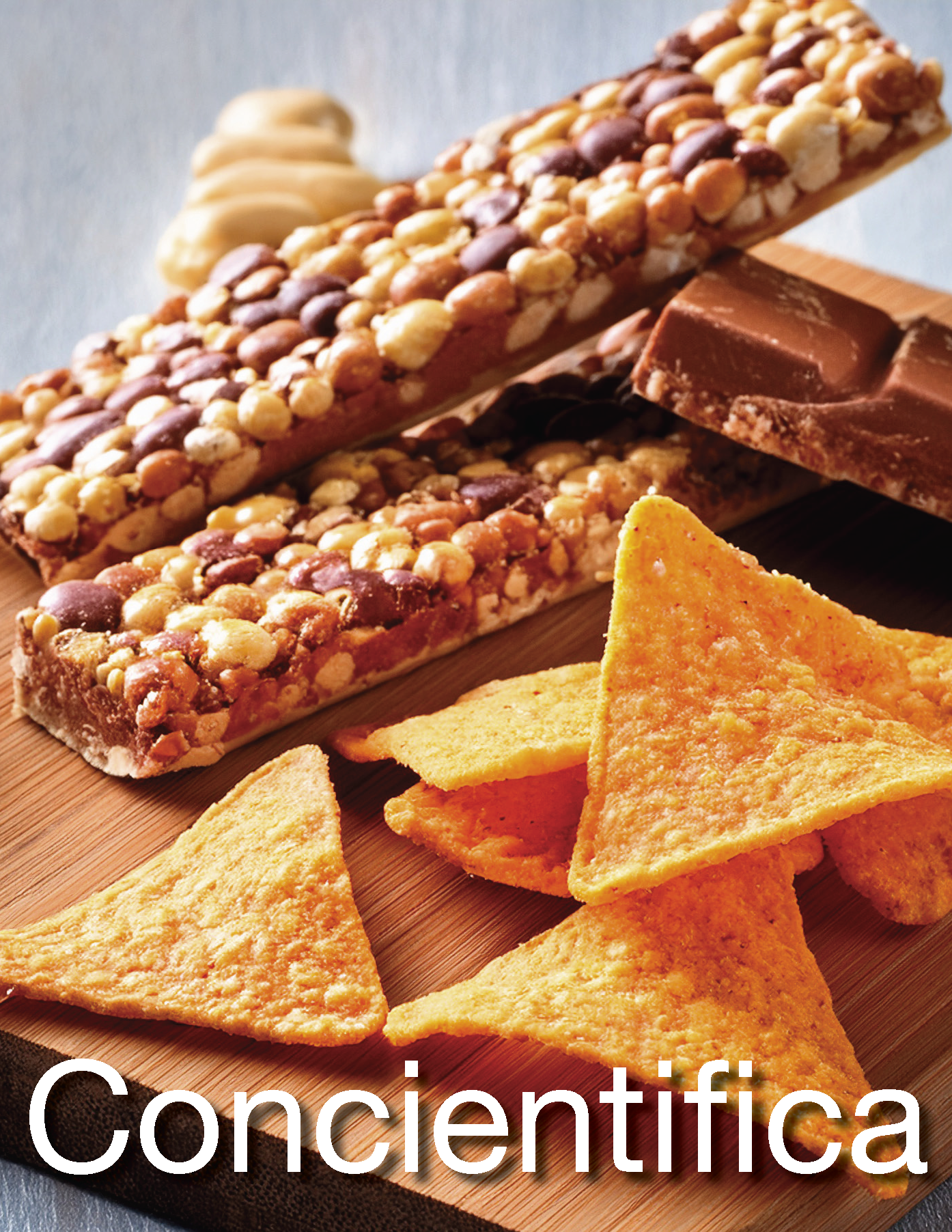
Fast food snacks have become an essential part of a fast-paced lifestyle, and snacks offer a practical alternative with the potential to nourish, satisfy, and promote metabolic health. This article examines functional snacks, explains key concepts such as digestibility, absorption, and bioavailability, and discusses the legal regulations governing food labeling claims. It analyzes how to choose snacks beyond marketing claims, focusing on protein and fiber content and, moreover, advances in food science, to make more informed choices in the food sector.
References
Degerli, C., El, S. (2024). Assessment of the in vitro digestibility of formulated snacks enriched with bioactive ingredients. International Journal of Functional Nutrition, 5(1), 5. https://doi.org/10.3892/ijfn.2024.39
Grau, A. E. (2025). Assessment of Attitudes, Preferences, and Knowledge Regarding Assessment of Attitudes, Preferences, and Knowledge Regarding Dietary Protein and Health Dietary Protein and Health. Thesis of Bachelor of Science in Nursing, University of Arkansas, United States, The Eleanor Mann School of Nursing Undergraduate Honors Theses Retrieved from https://scholarworks.uark.edu/nursuht/214
Tormási, J., Benes, E., Kónya, É. L., Berki, M., Abrankó, L. (2025). Evaluation of protein quantity and protein nutritional quality of protein bars with different protein sources. Scientific Reports, 15(1), 9388. https://doi.org/10.1038/s41598-025-94072-4
Krummacker, D. (2023). Mixing your own Plant-based Protein Blend resembling a Complete Amino Acid Profile. German Research Center for Artificial Intelligence GmbH, DFKI. https://www.researchgate.net/publication/382134206
Edima-Nyah, A. P., Udo, M. E., Ntukidem, V. E., Ojimelukwe, P. C., Nwabueze, T. U. (2022). Effect of Malted African Breadfruit (Treculia africana) Seed Flour Inclusion on In-vitro Glycemic Index, Starch and Protein Digestibility of Fibre Rich Snack Bars. European Journal of Nutrition & Food Safety, 28–40. https://doi.org/10.9734/ejnfs/2022/v14i230478
Duque-Estrada P., Hardiman K., Dam, A. B., Dodge, N., Aaslyng, M. D., Petersen, I. L. (2023) Protein blends and extrusion processing to improve the nutritional quality of plant proteins. Food & Function, 14(16), 7361-7374.
NMX-F-068-S-1980. Alimentos — Determinación de proteínas (Foods — Determination of proteins). Dirección General de Normas. (1980). Secretaría de Comercio y Fomento Industrial.
NOM-051-SCFI/SSA1-2010, Especificaciones Generales de Etiquetado Para Alimentos y Bebidas No Alcohólicas Preenvasados – Información Comercial y Sanitaria (Modificación Publicada El 27 de Marzo de 2020), Diario Oficial de la Federación (2010). https://www.dof.gob.mx/nota_detalle.php?codigo=5593625&fecha=27/03/2020
Food and Agriculture Organization of the United Nations. (2023). Macronutrientes: carbohidratos, grasas y proteínas. https://www.fao.org/4/w0073s/w0073s0d.htm. Consultado: 05 de Agosto, 2025.
Akhlaghi, M. (2024). The role of dietary fibers in regulating appetite, an overview of mechanisms and weight consequences. In Critical Reviews in Food Science and Nutrition (Vol. 64, Issue 10, pp. 3139–3150). Taylor and Francis Ltd. https://doi.org/10.1080/10408398.2022.2130160
Singh, J., Metrani, R., Jayaprakasha, G. K., Crosby, K. M., Ravishankar, S., Patil, B. S. (2020). Multivariate analysis of amino acids and health beneficial properties of cantaloupe varieties grown in six locations in the United States. Plants, 9(9), 1–25. https://doi.org/10.3390/plants9091058
Javanmardi, F., Nayebzadeh, K., Saidpour, A., Barati, M., Mortazavian, A. M. (2021). Optimization of a functional food product based on fibers and proteins: Rheological, textural, sensory properties, and in vitro gastric digestion related to enhanced satiating capacity. LWT, 147. https://doi.org/10.1016/j.lwt.2021.111586
World Health Organization (2023) Use of non-sugar sweeteners WHO guideline. https://www.who.int/publications/i/item/9789240073616. Consultado: 12 de Agosto, 2025.
Downloads
Published
How to Cite
Issue
Section
License
Copyright (c) 2025 Revista de divulgación científica iBIO

This work is licensed under a Creative Commons Attribution-NonCommercial-NoDerivatives 4.0 International License.
Self-archiving or deposit of the works in their post-publication version (editorial version) is permitted in any personal, institutional or thematic repository, social or scientific networks. The above applies from the moment of publication of the article in question on the website of the Revista de divulgación científica iBIO.