
Invisible allies: Bacteria at the service of our crops
Keywords:
Bacillus, biological control, phytopathogensAbstract
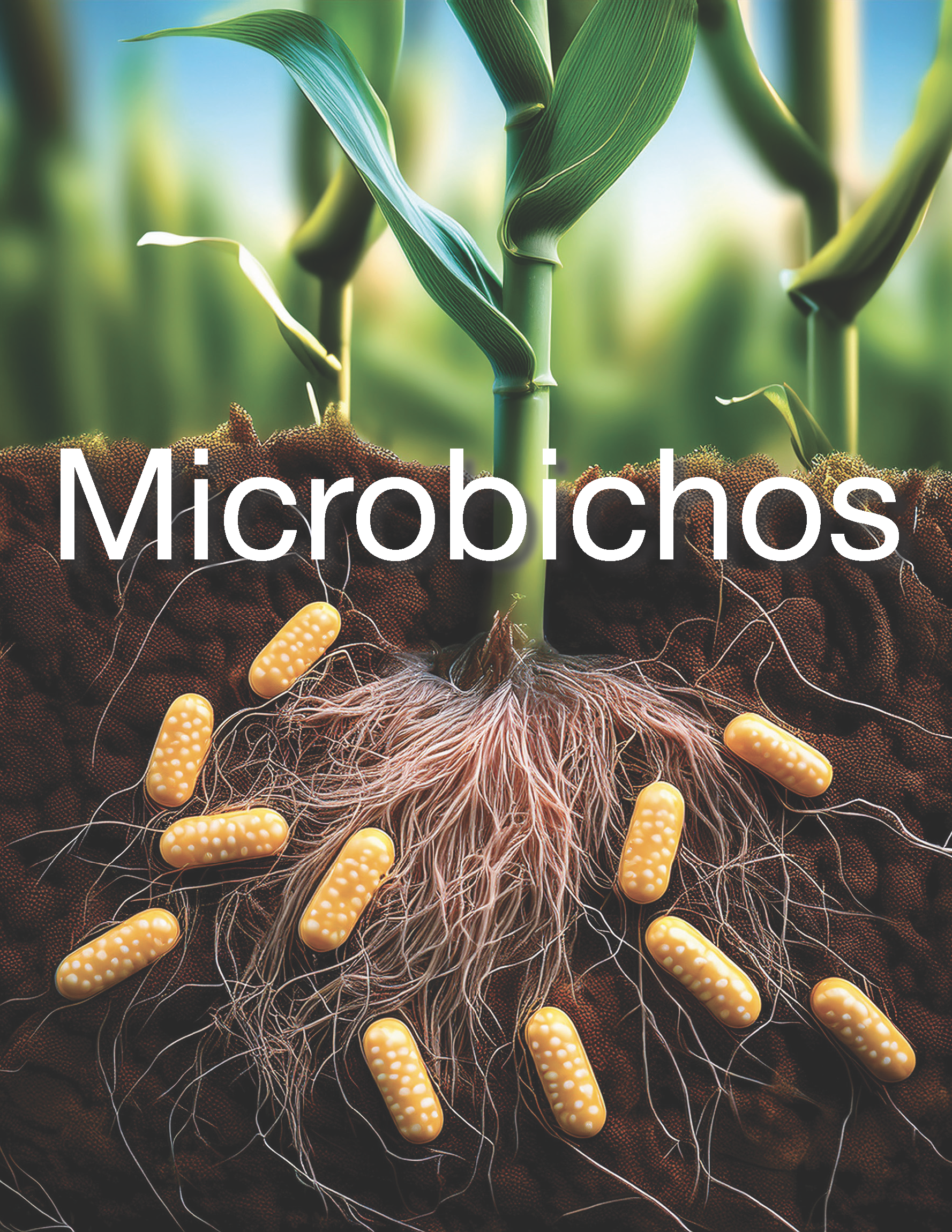
When we see a green, healthy field, we rarely think about the invisible battles taking place underground. Among roots, water and minerals, beneficial bacteria fight phytopathogenic fungi that threaten key crops like tomato, corn, mango and avocado. Some Bacillus species produce compounds capable of stopping these attacks, offering a natural and effective alternative to chemical controls. In this article, we explore the hidden power of these microorganisms and how their activity can make a difference in the health of our crops.
References
Kamilova, B.L.F. (2009). Plant-growth-promoting rhizobacteria. Annual Review of Microbiology, 63, 541–556. https://doi.org/10.1146/annurev.micro.62.081307.162918
Flores-Vargas, R.D., O’Hara, G.W. (2006). Isolation and characterization of rhizosphere bacteria with potential for biological control of weeds in vineyards. Journal of Applied Microbiology, 100(5), 946–954. https://doi.org/10.1111/j.1365-2672.2006.02851.x
Andrić, S., Meyer, T., Ongena, M. (2020). Bacillus responses to plant-associated fungal and bacterial communities. Frontiers in Microbiology, 11, 1350. https://doi.org/10.3389/fmicb.2020.01350
Qiao, J., Borriss, R., Sun, K., et al. (2024). Research advances in the identification of regulatory mechanisms of surfactin production by Bacillus: a review. Microbial Cell Factories, 23, 100. https://doi.org/10.1186/s12934-024-02372-7
Jensen, C.N.G., Pang, J.K.Y., Gottardi, M., et al. (2024). Bacillus subtilis promotes plant phosphorus (P) acquisition through P solubilization and stimulation of root and root hair growth. Physiologia Plantarum, 176(3). https://doi.org/10.1111/ppl.14338
Astudillo, Á., Rubilar, O., Briceño, G., Diez, M.C., Schalchli, H. (2023). Advances in agroindustrial waste as a substrate for obtaining eco-friendly microbial products. Sustainability, 15(4), 3467. https://doi.org/10.3390/su15043467
Downloads
Published
How to Cite
Issue
Section
License
Copyright (c) 2025 Revista de divulgación científica iBIO

This work is licensed under a Creative Commons Attribution-NonCommercial-NoDerivatives 4.0 International License.
Self-archiving or deposit of the works in their post-publication version (editorial version) is permitted in any personal, institutional or thematic repository, social or scientific networks. The above applies from the moment of publication of the article in question on the website of the Revista de divulgación científica iBIO.