
De-extinction of species: Fact or myth?
Keywords:
De-extinction, genetic modification, woolly mammothAbstract
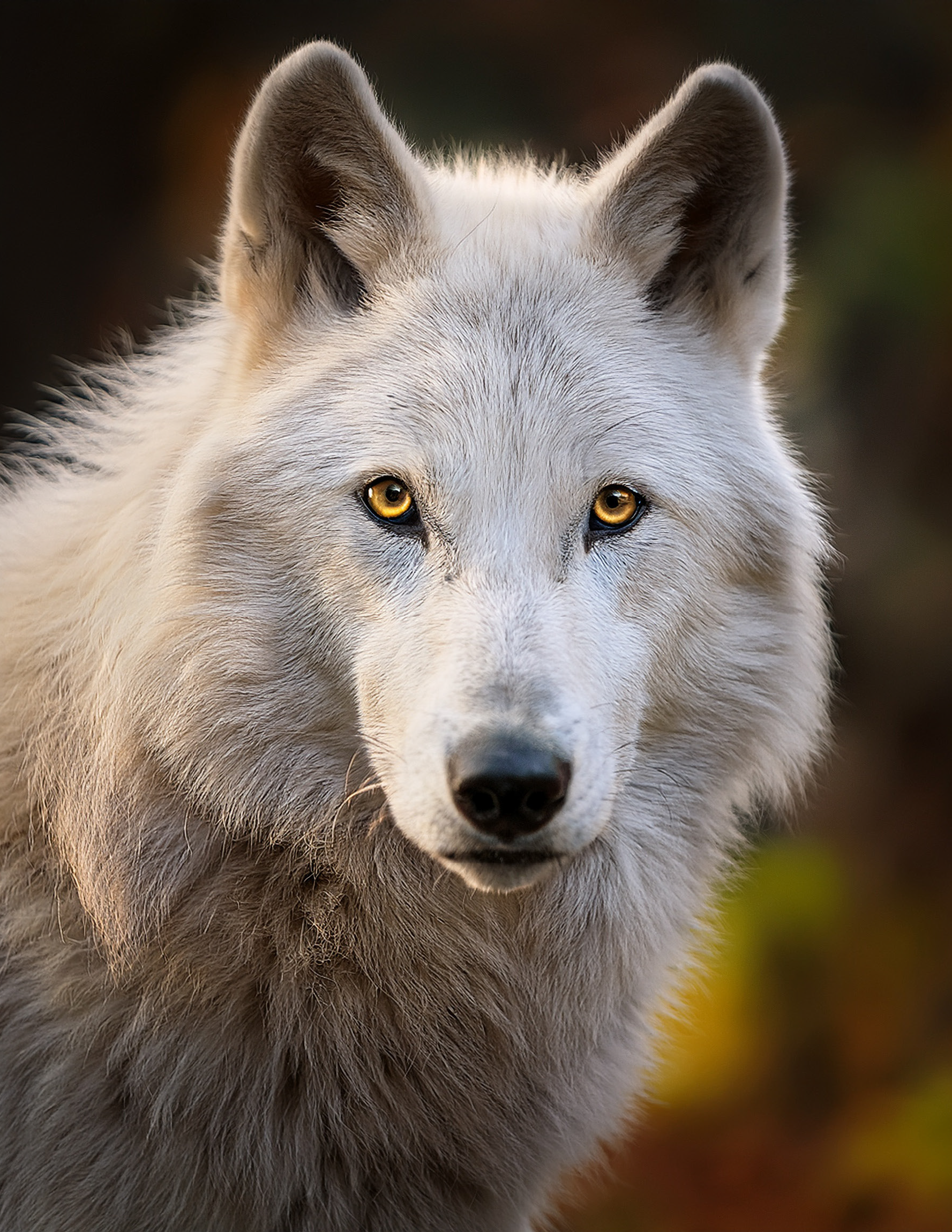
You may have heard about the de-extinction of the dire wolf, a wolf that existed more than 10,000 years ago, of which the company called “Colossal Laboratories and Biosciences” presented three specimens in the spring of 2025. But do you think science has really advanced to the point of de-extinguishing species? In this article, we provide some elements to help you discern whether the dire wolf has been de-extinguished, and reflections on the ethical and ecological validity of these achievements.
References
Colossal Laboratories and Biosciences. (s/f). De-Extinction. Disponibles desde: https://colossal.com/de-extinction/. Consultado: 1 de noviembre, 2025
Turner, S. D., Keyte, A., Pask, A., & Shapiro, B. (2025). De-extinction technology and its application to conservation. Journal of Heredity, esaf069. https://doi.org/10.1093/jhered/esaf069
CetaceaLab. (2022, enero 26). Conoce la planta extinta Palma Dactilera de Judea. Disponible desde: https://www.cetacealab.org/conoce-la-planta-extinta-palma-dactilera-de-judea/. Consultado: 1 de noviembre, 2025
Levy, S. (2012, febrero 23). Wild flower blooms again after 30,000 years on ice. Nature, 482, 454.
Yashina, S., Gubin, S., Maksimovich, S., Yashina, A., Gakhova, E., & Gilichinsky, D. (2012). Regeneration of whole fertile plants from 30,000-y-old fruit tissue buried in Siberian permafrost. Proceedings of the National Academy of Sciences, 109(10), 4008–4013. https://doi.org/10.1073/pnas.1118386109
Downloads
Published
How to Cite
Issue
Section
License
Copyright (c) 2026 Revista de divulgación científica iBIO

This work is licensed under a Creative Commons Attribution-NonCommercial-NoDerivatives 4.0 International License.
Self-archiving or deposit of the works in their post-publication version (editorial version) is permitted in any personal, institutional or thematic repository, social or scientific networks. The above applies from the moment of publication of the article in question on the website of the Revista de divulgación científica iBIO.