
The two sides of contaminant sequestration in soil
Keywords:
Soil pollution, sequestration, bioavailabilityAbstract
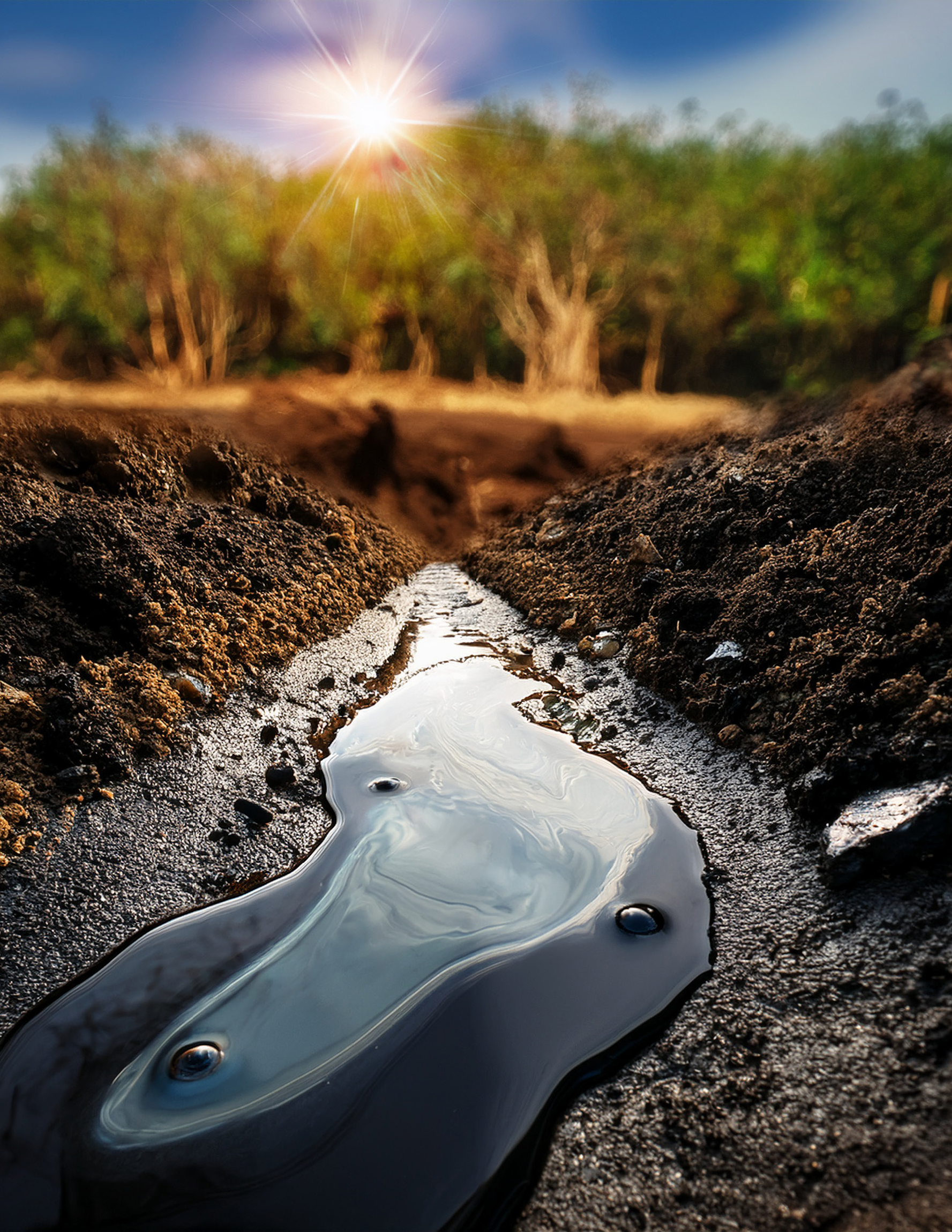
The sequestration of contaminants is a process by which substances such as hydrocarbons, antibiotics, or pesticides become immobilized through physical, chemical, and biological interactions with the soil matrix, reducing their bioavailability. Sequestration is a dynamic process that depends on the type of soil, the nature of the contaminant, and environmental conditions. This phenomenon can be beneficial because it limits the spread of contaminants and their entry into the food chain; however, it can also have negative effects, as it makes contaminants more difficult to quantify and remediate and may alter soil fertility.
References
United Nations. (2024, 2 de diciembre). La desertificación y la degradación del suelo afecta a 3000 millones de personas en todo el mundo. Noticias ONU. https://news.un.org/es/story/2024/12/1534741
FAO. (2014). World Reference Base for Soil Resources 2014: International soil classification systems for naming soils and creating legends for soil maps. In World Soil Resources Reports No. 106. http://www.fao.org/soils-portal/soil-survey/soil-classification/world-reference-base/en/
Sarkar B, Mukhopadhyay R, Ramanayaka S, Bolan N, Ok YS. (2021). The role of soils in the disposition, sequestration and decontamination of environmental contaminants. Philosophical Transactions of the Royal Society B, 376:20200177. https://doi.org/10.1098/rstb.2020.0177
Diario Oficial de la Federación (2013). NOM-138-SEMARNAT/SSA1-2012. Límites máximos permisibles de hidrocarburos en suelos y lineamientos para el muestreo en la caracterización y especificaciones para la remediación. DOF 10-09-2013, 16.
Adriano, D. C., Wenzel, W. W., Vangronsveld, J., & Bolan, N. S. (2004). Role of assisted natural remediation in environmental cleanup. Geoderma, 122(2-4 SPEC. IIS.), 121–142. https://doi.org/10.1016/j.geoderma.2004.01.003
Alexander, Martin. (2000). Aging, Bioavailability, and Overestimation of Risk from Environmental Pollutants. Environmental Science & Technology, 34(20), 4259–4265. https://doi:10.1021/es001069+
Mohanta, S., Pradhan, B., & Behera, I. D. (2024). Impact and Remediation of Petroleum Hydrocarbon Pollutants on Agricultural Land: A Review. Geomicrobiology Journal, 41(4), 345–359. https://doi.org/10.1080/01490451.2023.2243925
REAL ACADEMIA ESPAÑOLA: Diccionario de la lengua española, 23.ª ed., [versión 23.8.1 en línea]. https://dle.rae.es
Downloads
Published
How to Cite
Issue
Section
License
Copyright (c) 2026 Revista de divulgación científica iBIO

This work is licensed under a Creative Commons Attribution-NonCommercial-NoDerivatives 4.0 International License.
Self-archiving or deposit of the works in their post-publication version (editorial version) is permitted in any personal, institutional or thematic repository, social or scientific networks. The above applies from the moment of publication of the article in question on the website of the Revista de divulgación científica iBIO.