
Latin American fruits with cosmetic potential: a view from bioprospecting
Keywords:
Photoprotection, Latin American biodiversity, natural cosmetics, bioprospectingAbstract
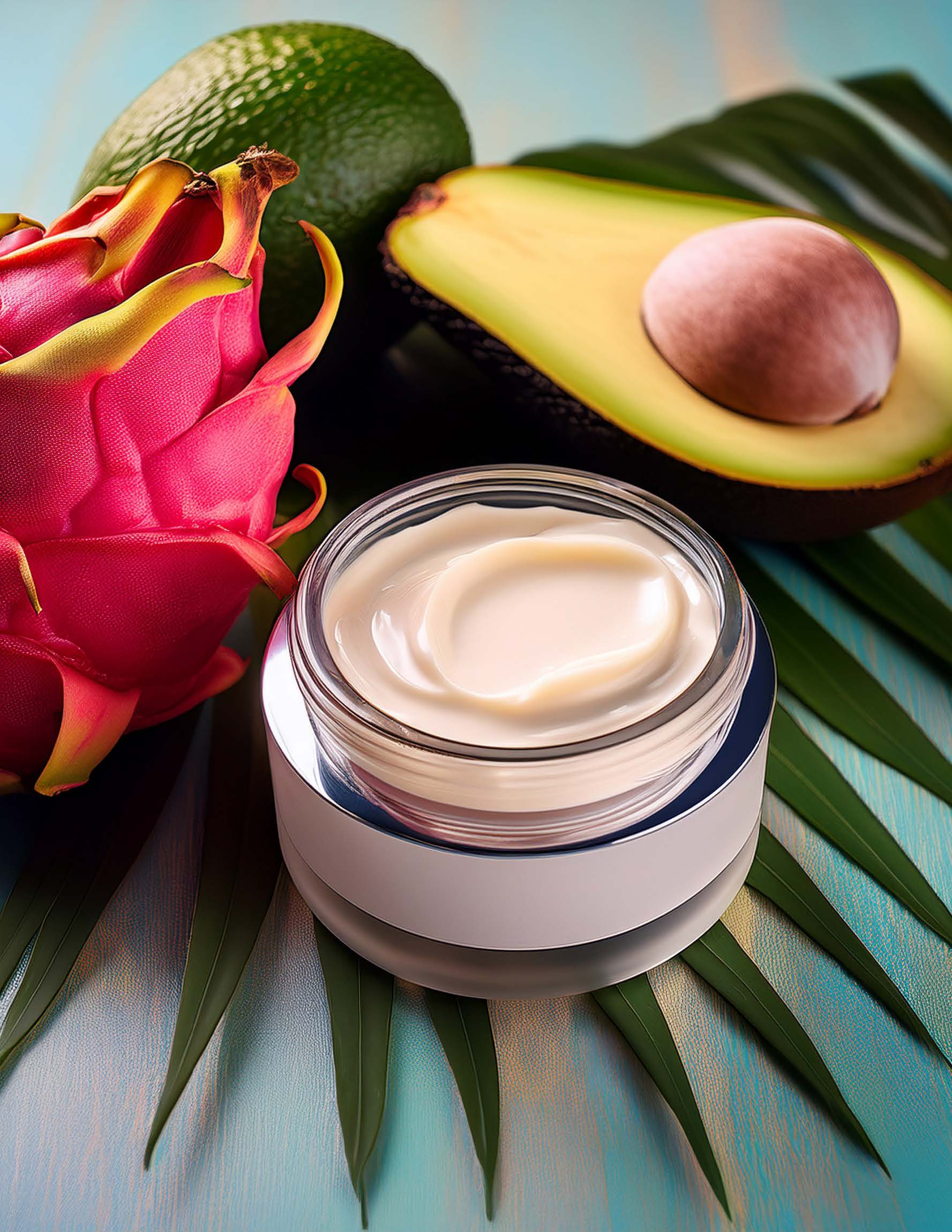
Latin America, one of the most biodiverse regions in the world, is home to fruits containing metabolites of interest for skincare, such as polyphenols, carotenoids, and vitamins. These compounds provide antioxidant properties and complementary photoprotective effects against oxidative stress. However, transforming a fruit into a cosmetic ingredient requires a bioprospecting pathway that integrates species selection, literature review, experimental validation, sustainability, regulatory considerations, scalability, and collaboration with communities and productive stakeholders. This article presents a science communication perspective on Latin American fruits with cosmetic potential and proposes a general pathway to guide their study through responsible bioprospecting.
References
Hinčica, V., Řezanková, H., Macias, K., & Schulzová, M. (2024). Perception of natural cosmetics among central European consumers. Central European Economic Journal, 11(58), 233–251. https://doi.org/10.2478/ceej-2024-0016
Prakash, G., Sharma, S., Kumar, A., & Luthra, S. (2024). Does the purchase intention of green consumers align with their zero-waste buying behaviour? An empirical study on a proactive approach towards embracing waste-free consumption. Heliyon, 10(3), e25022. https://doi.org/10.1016/j.heliyon.2024.e25022
Rischard, F., Gore, E., Flourat, A., & Savary, G. (2025). The challenges faced by multifunctional ingredients: A critical review from sourcing to cosmetic applications. Advances in Colloid and Interface Science, 340, 103463. https://doi.org/10.1016/j.cis.2025.103463
Jesus, A., Sousa, E., Cruz, M. T., Cidade, H., Lobo, J. M. S., & Almeida, I. F. (2022). UV filters: Challenges and prospects. Pharmaceuticals, 15(3), 263. https://doi.org/10.3390/ph15030263
Al-Sadek, T., & Yusuf, N. (2024). Ultraviolet radiation biological and medical implications. Current Issues in Molecular Biology, 46(3),1924–1942. https://doi.org/10.3390/cimb46030126
De Gálvez, M. V. (2010). Antioxidantes en fotoprotección, ¿realmente funcionan? Actas Dermo-Sifiliográficas, 101(3), 197–200. https://doi.org/10.1016/j.ad.2009.11.003
Programa de las Naciones Unidas para el Medio Ambiente (PNUMA / UNEP) & UNEP-WCMC. (2016). EL Estado De La Biodiversidad En América Latina y El Caribe.
Inter-American Development Bank. (n.d.). Biodiversity in Latin America and the Caribbean. https://www.iadb.org/en/news/biodiversity-latin-america-and-caribbean.
Soares dos Santos Rolim, C., Nonato Silva, L. F., Carolina Bauer, L., Victor Lamarão, C., & Ferreira Bonomo, R. C. (2024). Inaja fruit (Maximiliana maripa) from the Brazilian Amazon: A new source of bioactive compounds and technological potential. Food Bioscience, 61, 104905. https://doi.org/10.1016/j.fbio.2024.104905
Sepúlveda Soria, S. M., Gonzalez Tejeda, L. A., Villaseñor Villagómez, F., & Ramírez Granados, J. C. (2021). Protección solar de la piel con extractos de frutas y vegetales. Jóvenes en la Ciencia, 10. https://www.jovenesenlaciencia.ugto.mx/index.php/jovenesenlaciencia/article/view/3308.
Bravo, K., Quintero, C., Agudelo, C., García, S., Bríñez, A., & Osorio, E. (2020). CosIng database analysis and experimental studies to promote Latin American plant biodiversity for cosmetic use. Industrial Crops and Products, 144. https://doi.org/10.1016/j.indcrop.2019.112007
Downloads
Published
How to Cite
Issue
Section
License
Copyright (c) 2026 Revista de divulgación científica iBIO

This work is licensed under a Creative Commons Attribution-NonCommercial-NoDerivatives 4.0 International License.
Self-archiving or deposit of the works in their post-publication version (editorial version) is permitted in any personal, institutional or thematic repository, social or scientific networks. The above applies from the moment of publication of the article in question on the website of the Revista de divulgación científica iBIO.