
Trichoderma: a natural ally for the future of agriculture
Keywords:
Trichoderma, biocontrol, plant growthAbstract
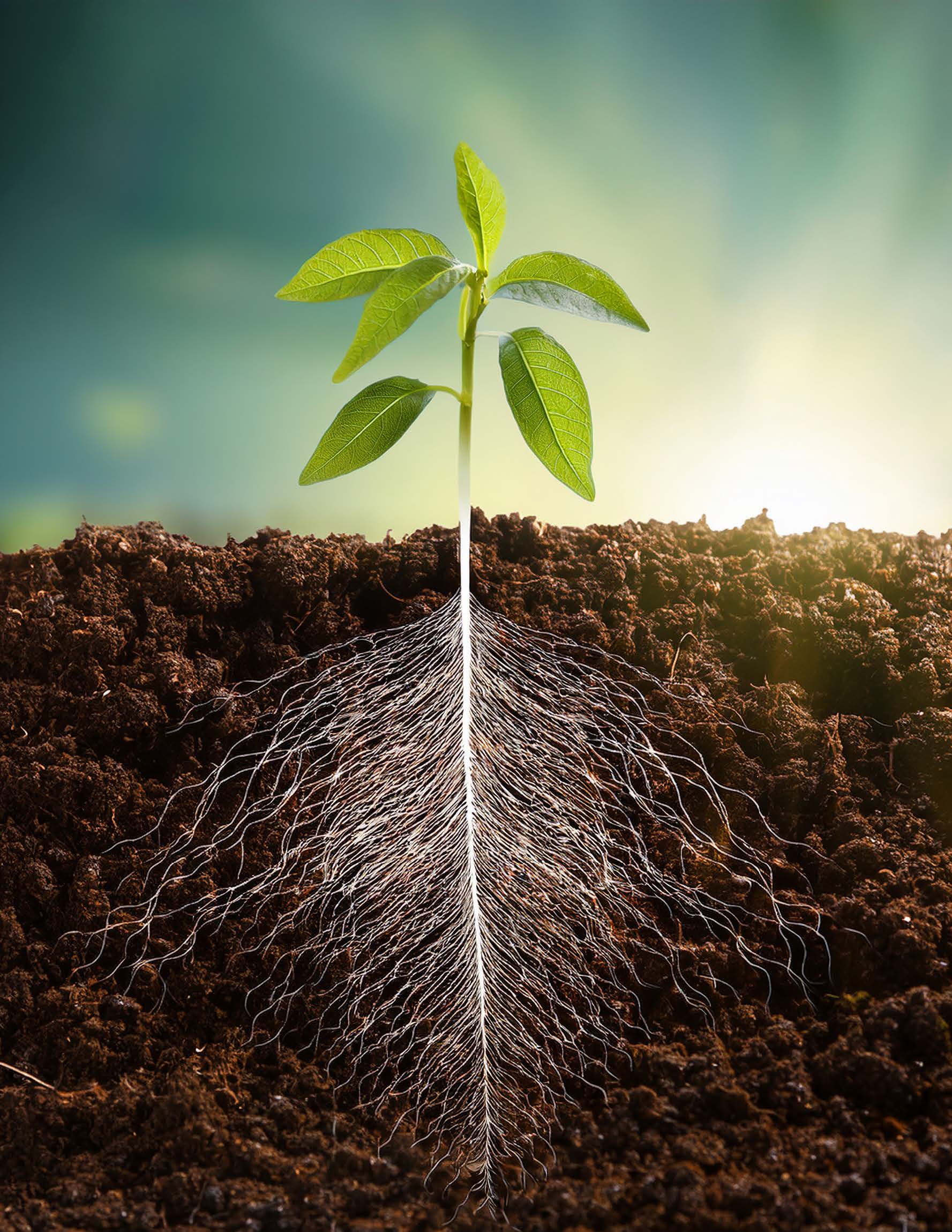
Agriculture faces the challenge of producing sufficient, high-quality food while reducing the negative impacts of intensive farming practices. In this context, beneficial microorganisms offer alternatives for promoting sustainable agricultural systems. Among them is Trichoderma, a genus of filamentous fungi that interacts with plants and other soil microorganisms. Some species suppress plant-pathogenic fungi through mycoparasitism, the production of antimicrobial compounds, and competition for resources. In addition, they can stimulate root growth and improve the absorption of water and nutrients. This article describes their characteristics, mechanisms of action, and potential contributions to more sustainable agriculture.
References
Woo, S. L., Hermosa, R., Lorito, M., et al. (2023). Trichoderma: a multipurpose, plant-beneficial microorganism for eco-sustainable agriculture. Nature Reviews Microbiology, 21, 312–326. https://doi.org/10.1038/s41579-022-00819-5
Srivastava, S., Debnath, B., Manda, R. R., Maurya, S., Rana, M., & Tiwari, A. K. (2026). Trichoderma in sustainable agriculture: Advances, applications, and future prospects for biocontrol and plant growth promotion. Annals of Applied Biology, 188(1), 332–351. https://doi.org/10.1111/aab.70052
Yao, X., Guo, H., Zhang, K., Zhao, M., Ruan, J., Chen, J. (2023). Trichoderma and its role in biological control of plant fungal and nematode disease. Frontiers in Microbiology, 14, 1160551.doi.org/10.3389/fmicb.2023.1160551
Dixon, M.W. (2018). Chemical fertilizer in transformations in world agriculture and the state system, 1870 to interwar period. Journal of Agrarian Change, 18: 768–786. https://doi.org/10.1111/joac.12259
Carson, R. (2017). From silent spring to silent night: Agrochemicals and the anthropocene. Elementa: Science of the Anthropocene, 5: 57. https://doi.org/10.1525/elementa.246
Guo Q, Shi L, Wang X, Li D, Yin Z, Zhang J, Ding G, Chen L. (2023). Structures and Biological Activities of Secondary Metabolites from the Trichoderma genus (Covering 2018-2022). J Agric Food Chem, 71(37):13612-13632. https://doi.org/10.1021/acs.jafc.3c04540
Cando-Narvaez, A. A., et al. (2022). Rice recycling: A simple strategy to improve conidia production in solid-state cultures. Letters in Applied Microbiology, 74(3), 385–394. https://doi.org/10.1111/lam.13614
Downloads
Published
How to Cite
Issue
Section
License
Copyright (c) 2026 Revista de divulgación científica iBIO

This work is licensed under a Creative Commons Attribution-NonCommercial-NoDerivatives 4.0 International License.
Self-archiving or deposit of the works in their post-publication version (editorial version) is permitted in any personal, institutional or thematic repository, social or scientific networks. The above applies from the moment of publication of the article in question on the website of the Revista de divulgación científica iBIO.