
Cytogenetics and its contributions to the development of science
Keywords:
Plant cytogenetics, in situ fluorescent hybridization, chromosomesAbstract
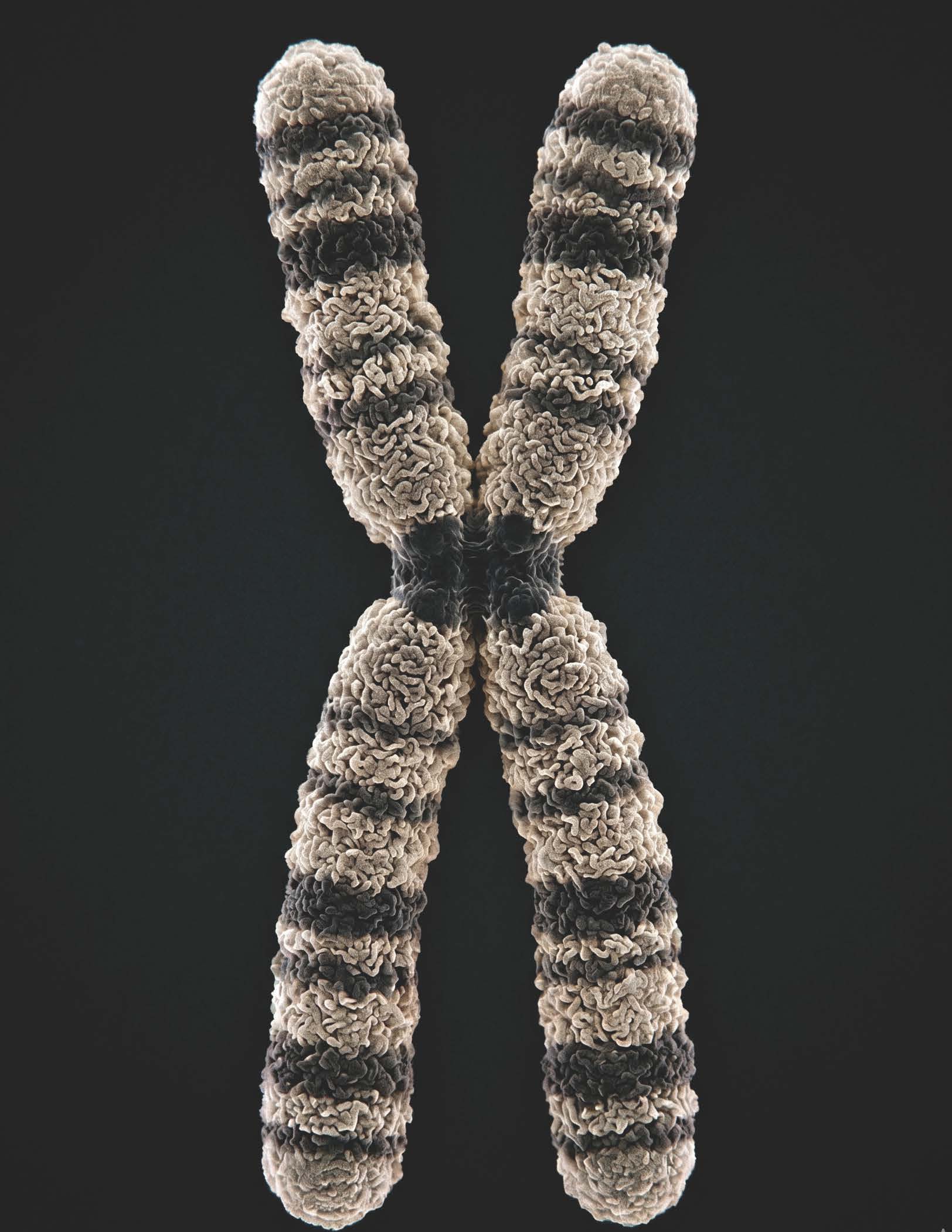
Cytogenetics is a branch of genetics that studies chromosomes based on their structure, function, behavior, and any abnormalities they may exhibit. Classical cytogenetics studies chromosome morphology and number, while molecular cytogenetics focuses on locating the specific regions where genes are situated. Cytogenetics provides useful information for plant breeding programs and for understanding diseases caused by chromosomal abnormalities (aberrations). Advances in cytogenetics are essential in the search for drought-resistant plants in the context of global climate change.
References
Hiremath, S. C., & Chinnappa, C. C. (2015). Plant chromosome preparations and staining for light microscopic studies. In Plant Microtechniques and Protocols (pp. 263–286). Springer International Publishing. https://doi.org/10.1007/978-3-319-19944-3_16
Vimala, Y., Lavania, S., & Lavania, U. C. (2021, April 1). Chromosome change and karyotype differentiation–implications in speciation and plant systematics. Nucleus (India). Springer. https://doi.org/10.1007/s13237-020-00343-y
Hwang, Y. J., Cabahug, R. A., Mancia, F. H., & Lim, K. B. (2020, February 1). Molecular cytogenetics and its application to major flowering ornamental crops. Horticulture Environment and Biotechnology. Korean Society for Horticultural Science. https://doi.org/10.1007/s13580-019-00198-6
Sharma, S.K., Mukai, Y. (2015) Chromosome research in orchids: current status and future prospects with special emphasis from molecular and epigenetic perspective. Nucleus. https://doi.org/10.1007/s13237-015-0152-1
Younis, A., Ramzan, F., Hwang, Y. J., & Lim, K. B. (2015). FISH and GISH: molecular cytogenetic tools and their applications in ornamental plants. Plant Cell Reports. Springer Verlag. https://doi.org/10.1007/s00299-015-1828-3
Sarkar, A. K, Saha, R, Halder, R. (2022) Chromosomes damage by sewage water studies in the Allium cepa L. and Zea mays L. International Journal of Cytology, Cytosystematics and Cytogenetics. DOI: 10.36253/caryologia-1067.
Flavell, R. B. (2021) Perspective: 50 years of plant chromosome biology, Plant Physiology. https://doi.org/10.1093/plphys/kiaa108
Shakeel, R., Dar, T.U.H. (2023). Intraspecific karyotypic diversity: A case study of Zea mays L. from Pir Panjal Himalaya. Journal of Stored Products Research, 102, 102119. https://doi.org/10.1016/j.jspr.2023.102119
Downloads
Published
How to Cite
Issue
Section
License
Copyright (c) 2026 Revista de divulgación científica iBIO

This work is licensed under a Creative Commons Attribution-NonCommercial-NoDerivatives 4.0 International License.
Self-archiving or deposit of the works in their post-publication version (editorial version) is permitted in any personal, institutional or thematic repository, social or scientific networks. The above applies from the moment of publication of the article in question on the website of the Revista de divulgación científica iBIO.